
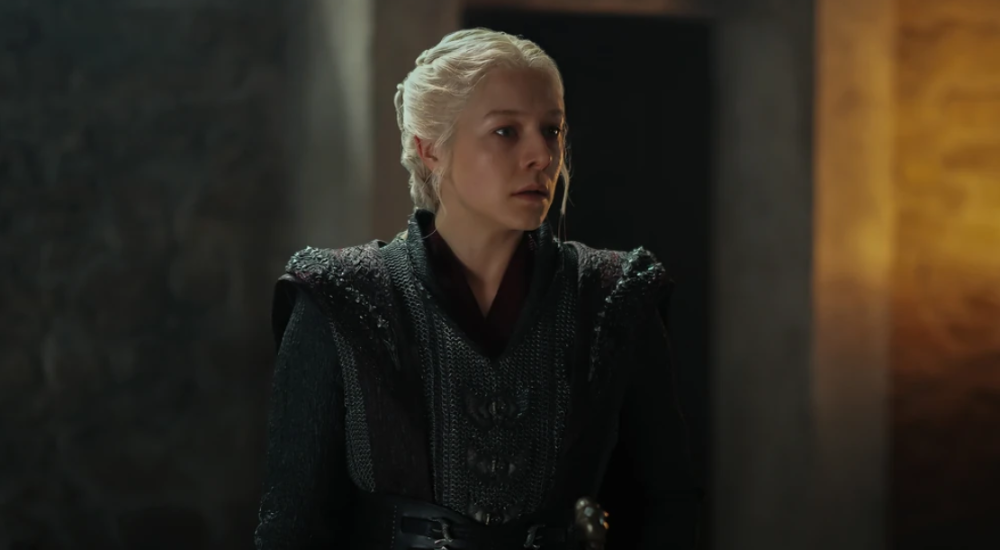

Warning: (The following contains spoilers for House of the Dragon Season 3, Episode 4, which premiered Sunday, July 12 on HBO. The following also contains spoilers for Fire & Blood.)
House of the Dragon has spent three seasons diverging from George R.R. Martin’s source material in ways both small and dramatic. But buried in a single council-room exchange in Episode 4, the show quietly confirmed that one of the book’s most consequential plot threads is still coming — even if it arrives through an unexpected messenger.
A Council Meeting Buried in Bigger Drama
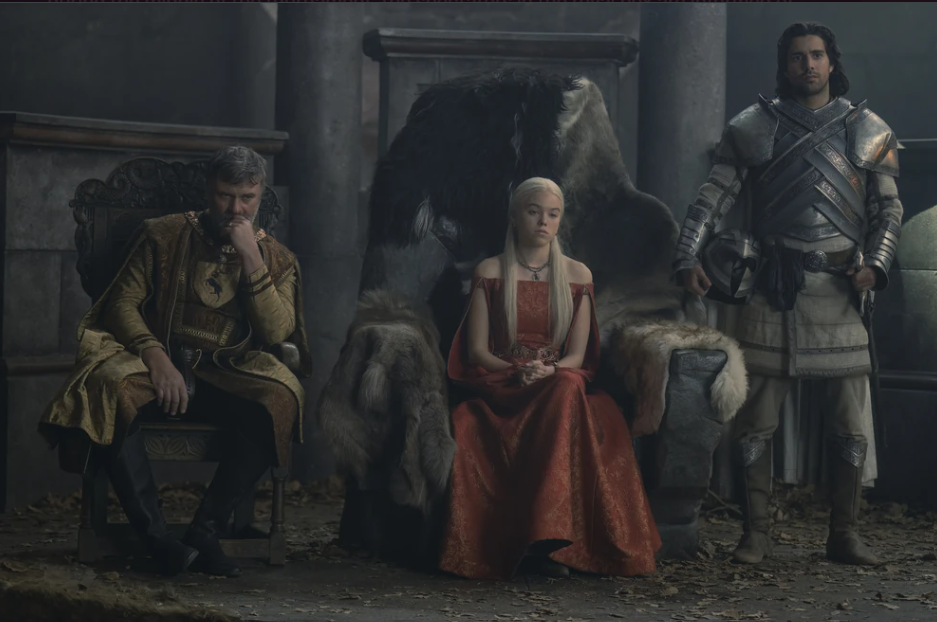
With Rhaenyra Targaryen now sitting the Iron Throne in King’s Landing, Episode 4 finds her assembling a new Small Council after dismissing the advisors who failed her on Dragonstone. Her pick for Master of Coin is Ser Torrhen Manderly, played by Dan Fogler, a sharp-tongued lord who made no secret of his wealth under Aegon’s rule and wasn’t afraid to point out that Rhaenyra’s own blockade had starved the smallfolk long before he arrived, according to CBR.
As the council debates what to do with coin seized from the realm’s great houses, three very different ideas surface: Mysaria pushes to redistribute it among the smallfolk, Daemon wants it funneled into the City Watch and new soldiers, and Manderly floats a third option almost in passing — a tax. The room moves on almost immediately, distracted by a tense standoff between Daemon and Mysaria and by Rhaenyra confronting what she believes is the severed head of Jacaerys’ killer. The tax suggestion barely registers as dialogue. But for anyone who’s read Fire & Blood, it’s a line that lands very differently.
The Book Already Told Us How This Ends
In Martin’s novel, it isn’t Manderly but Lord Bartimos Celtigar who serves as Rhaenyra’s Master of Coin — a detail the show already broke from earlier this season by having Celtigar removed from his post. But the substance of the idea Manderly raises in Episode 4 lines up almost exactly with what Celtigar does in the book: faced with an empty treasury after Tyland Lannister hid the crown’s gold, he pushes through a sweeping new tax that hits smallfolk and nobles alike. Property is taxed, wine and ale duties double, port fees triple, and residents are even charged to leave the city. Martin’s version goes further still, taxing children born out of wedlock — a detail with obvious irony given Rhaenyra’s own family history.
The fallout, as recapped by GamesRadar+ and other outlets tracking the show’s book accuracy, is catastrophic. The smallfolk’s affection for Rhaenyra evaporates, and after Helaena’s death pushes public anger past its breaking point, the city erupts into riots. The unrest culminates in the Storming of the Dragonpit, where several dragons are killed by the mob. By the time the dust settles, Dragonstone has already fallen to Aegon’s forces, and Rhaenyra’s grip on the Iron Throne is effectively finished for good.
Why the Swap Doesn’t Change the Danger
Replacing Celtigar with Manderly gives House of the Dragon room to surprise book readers on the details while still walking toward the same cliff. The show’s Rhaenyra has already shown signs of treating the smallfolk as a means to an end rather than people she’s responsible for — a pattern that, if Manderly’s tax idea gets revisited in a future episode, could set the same disaster back in motion. Given how easily the council brushed past the suggestion this episode, there’s a strong chance it wasn’t a throwaway line at all, but a seed being planted for a much bigger reckoning later in the season.
Elsewhere in Episode 4
The tax subplot wasn’t the only major turn in “Tumbleton.” The episode confirmed that the red-haired squire shadowing Lord Ormund Hightower is in fact Prince Daeron in disguise, and that Ormund has spent the time since raising him to see the Targaryens — and their dragons — as an abomination to be rejected, according to NPR and MovieWeb. Elsewhere, an injured Aegon and Larys continue their journey on foot toward Rook’s Rest, while Daemon tracks his daughter Rhaena — occupying a narrative role close to the book’s Nettles — to a hideout in the Vale, according to recaps from Winter Is Coming and Comic Book Club.
With four episodes left in the season, House of the Dragon now has a small but pointed opening to bring Manderly’s tax proposal back to the table — and with it, one of Fire & Blood‘s most brutal turning points.
