
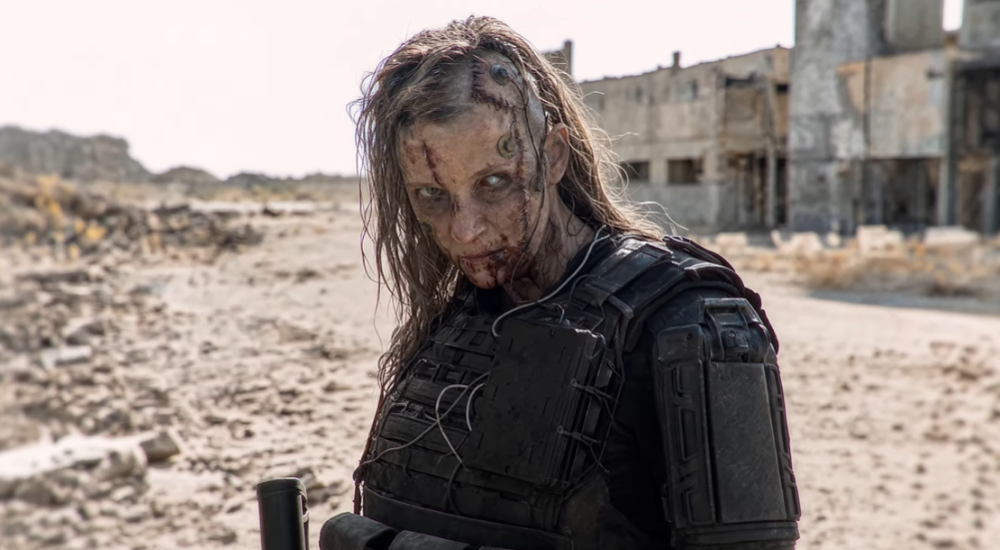

Neill Blomkamp, the director behind District 9 and Elysium, has released Nightborne, a 13-minute sci-fi horror short he’s calling his first complete test of AI-generated filmmaking, according to JoBlo.
The basics: — Built using ByteDance’s Seedance 2.0 video generation model, directed entirely through text prompts rather than cameras or sets — Runs 13 minutes, shot in a documentary style, released on YouTube and social media — Marks the launch of Barley Studios, Blomkamp’s new AI-focused production company — Blomkamp says a full-length feature using the same process is next
The short imagines a U.S. Army pilot shot down and presumed dead, whose husband buries an empty casket — only for recovered footage to suggest she’s tied to a classified military program that returns fallen soldiers to combat, a synopsis paraphrased from The Playlist‘s coverage of the release.
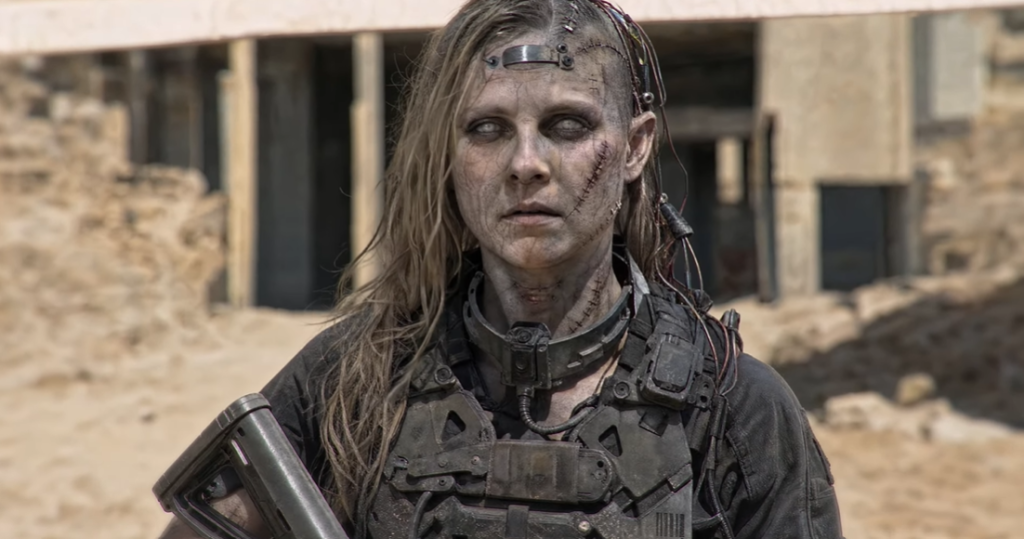
Despite the “fully AI-generated” label, Blomkamp has been clear the project wasn’t made in isolation. Real concept artists designed the visuals, and the film uses the faces and voices of 32 real people who agreed to have their likenesses used, according to Dark Horizons. Every resulting frame, however, was generated by the AI model based on Blomkamp’s prompts rather than filmed conventionally.
That distinction hasn’t stopped a fairly split reaction. World of Reel frames the project as part of a broader shift, noting Blomkamp joins other established filmmakers like Roger Avary and Alex Proyas in experimenting with AI as a production tool, particularly after years of passion projects — including a shelved Alien film and an unrealized RoboCop reboot — failing to get made through traditional studio channels. Other outlets have been considerably less charitable: Aftermath argued the short’s visual quality looks noticeably rough, and used the release to revisit long-running criticism of Blomkamp’s post-District 9 filmography more broadly.
Coverage from The Decoder frames Nightborne less as a finished piece of entertainment and more as a proof of concept, testing whether a recognizable director can maintain creative control over tone, pacing, and performance while removing cameras and physical production almost entirely from the process. Whether that approach can sustain a full feature-length story remains untested — Blomkamp has not announced a title, timeline, or story details for the feature he says Barley Studios is now building toward.
