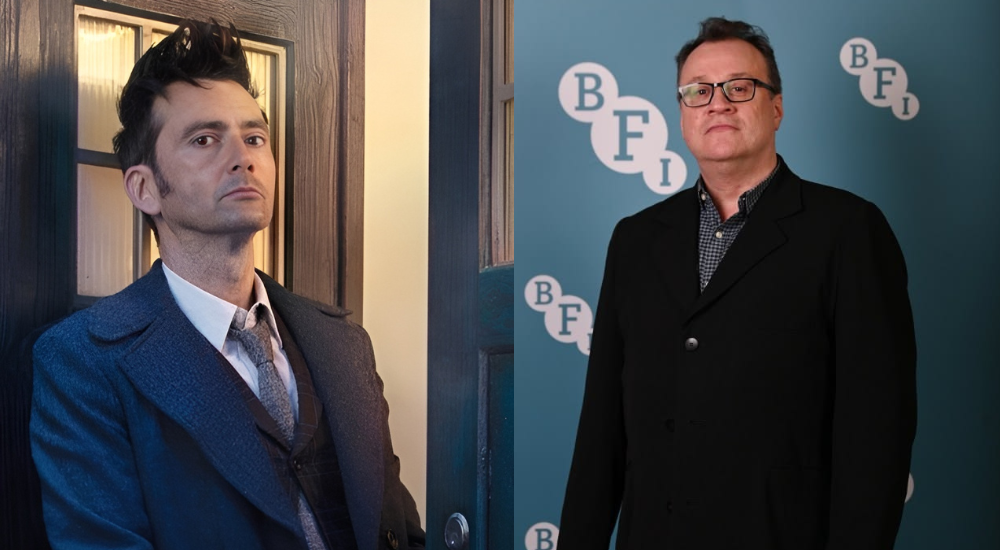

Doctor Who showrunner Russell T Davies has finally addressed the reasons behind his departure from the long-running series, speaking out after a social media post that drew heavy criticism from fans and sparked widespread debate about the show’s direction. In the wake of the BBC scrapping a planned Christmas special and confirming that Davies and his production company Bad Wolf are stepping away, the writer used an Instagram post to clarify that the special was never fully developed and served mainly as a bridge during uncertain times. He emphasized that the decision allows the BBC to launch a competitive tender process for new production partners, paving the way for more Doctor Who in the future rather than a single one-off episode.
The post quickly became controversial, with many fans interpreting it as a dismissive or bitter farewell that downplayed the challenges facing the franchise during his recent return. Davies’ comments came amid reports of declining viewership for the Ncuti Gatwa era and the end of the co-production deal with Disney+, leaving the show’s immediate future in question. As part of the transition, the BBC has stated that putting the series out to tender was a strategic move to secure its long-term health, even if it means a temporary hiatus. This explanation was detailed in coverage from IGN.
Gatwa himself had already announced his exit after just two seasons, revealing in interviews that the role had taken a significant physical, emotional, and mental toll. The actor described the demands of playing the Doctor as exhausting and said it was simply time to move on, though he left the door open for a possible future return. His departure added to the sense of upheaval surrounding the series, especially after the surprise regeneration twist in the Season 2 finale. Details of Gatwa’s reasoning were shared by Variety and further explored in Nerdist.
Behind the scenes, sources have pointed to a combination of factors behind the changes, including creative fatigue after Davies’ intense second stint, mixed audience reception to recent storylines, and the need to refresh the brand for new audiences. The BBC has been careful to frame the tender process as a positive step that demonstrates ongoing commitment to Doctor Who, rather than a reaction to short-term setbacks. Insiders note that the show remains a priority for the corporation despite the current uncertainty. This context was covered in reporting from The Independent.
Fan reactions to Davies’ post have been sharply divided. While some appreciated his honesty about the production realities and his optimism for the show’s future, others accused him of being petty or evasive about the creative and ratings struggles during his tenure. The backlash highlighted ongoing tensions within the fandom about the direction of the series in recent years. Additional commentary on these reactions appeared in pieces from Digital Spy.
As the BBC moves forward with the tender process, the focus has shifted to finding new creative leadership that can steer Doctor Who into its next era. Davies has wished the show well and expressed confidence that fans will eventually receive more episodes than a single special would have provided. His exit, combined with Gatwa’s departure, marks the end of a distinct chapter in the show’s modern history, one defined by ambitious storytelling, high-profile casting, and significant behind-the-scenes transitions. The full scope of these changes and their implications for the franchise were outlined in updates from Nerdist and related coverage in Variety.
For now, Doctor Who fans are left waiting to see who will take the reins next and when the TARDIS will return to screens. Davies’ decision to step back after the controversial post may have been met with mixed responses, but it has at least provided clarity on why one of the show’s most influential figures chose to move on at this pivotal moment. The BBC’s commitment to the series’ future remains firm, even as it navigates this period of change and uncertainty.
