
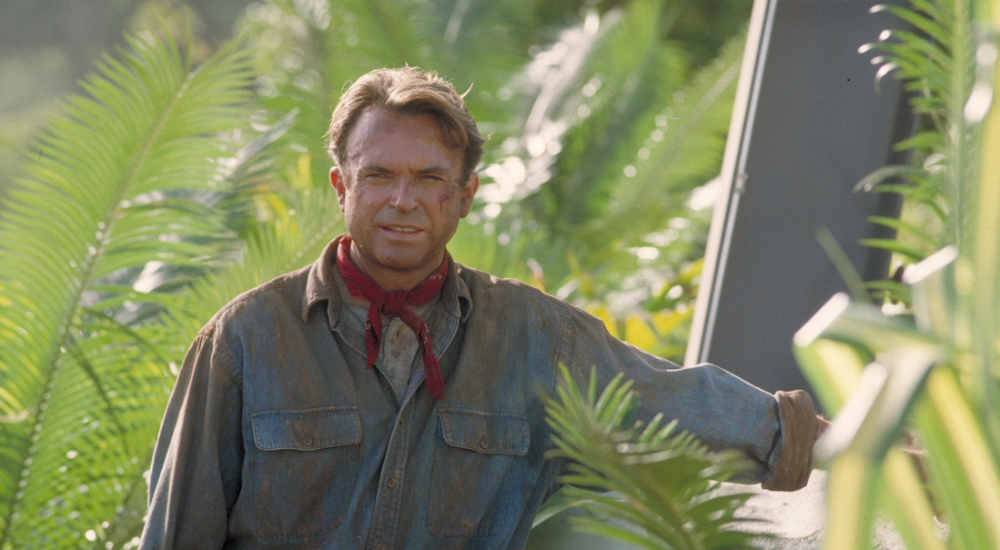

Sam Neill, the New Zealand actor whose career carried him from small-town theatre to the biggest blockbuster of the 1990s, died Monday, July 13, 2026, in Sydney, Australia. He was 78. His family confirmed the news was “sudden and unexpected,” though he had recently been declared free of the blood cancer he had battled for several years, according to CNN.
A Family’s Farewell
Neill’s family shared the news in a statement posted to his official social media account, using the Māori word “whānau” to describe the extended community grieving his loss. According to the family statement reported by Deadline, Neill died with loved ones by his side, maintaining the quiet dignity that defined him throughout his life, while also expressing deep appreciation to the team at St Vincent’s Private Hospital for their care. No specific cause of death has been released, and the family has asked for privacy as further details are shared.
From Omagh to Otago
Born Nigel John Dermot Neill in Omagh, Northern Ireland, in 1947, he moved with his family to Christchurch, New Zealand, at age seven. He adopted the name “Sam” as a schoolboy simply because there were too many other Nigels around him, a habit that stuck for the rest of his life and career, according to The Hollywood Reporter. He studied English at the University of Canterbury before drifting into acting, breaking through in 1977 with Sleeping Dogs, one of the first feature films shot in New Zealand in over a decade.
Becoming Dr. Alan Grant
Neill built a strong international reputation through the 1980s in films like My Brilliant Career, Possession, and The Hunt for Red October, but it was 1993 that redefined his career. Cast as paleontologist Dr. Alan Grant in Steven Spielberg’s Jurassic Park, Neill starred alongside Laura Dern, Jeff Goldblum, and Richard Attenborough in what became one of the highest-grossing films ever made at the time. He would go on to reprise the role decades later in Jurassic World Dominion in 2022, according to ScreenRant.
A Career of Remarkable Range
Beyond dinosaurs, Neill’s five-decade filmography stretched across genres and mediums. The same year as Jurassic Park, he played the cold frontiersman Alisdair Stewart in Jane Campion’s Palme d’Or winner The Piano. He later took on the villainous Major Chester Campbell in Peaky Blinders, voiced Odin in Marvel’s Thor: Love and Thunder, and earned an Emmy nomination for the title role in the 1998 miniseries Merlin. Away from acting, he ran the Two Paddocks winery in New Zealand’s Central Otago region and was knighted in 2022 for his contribution to film.
Facing Illness With Grace
In 2023, Neill revealed he was being treated for stage-three angioimmunoblastic T-cell lymphoma, a rare form of blood cancer, a diagnosis he wrote about candidly in his memoir Did I Ever Tell You This? Speaking to The Guardian at the time, Neill said he wasn’t afraid to die, but that he wanted more time with his grandchildren. In April 2026, he announced he was cancer-free following treatment through an Australian clinical trial, a milestone his family says held true at the time of his passing, as reported by Fox News.
Tributes From Across the World
Tributes arrived quickly from political leaders on both sides of the Tasman Sea. New Zealand Prime Minister Christopher Luxon called Neill “one of the greats,” crediting him with helping build the country’s film industry over a career spanning more than fifty years. Australian Prime Minister Anthony Albanese described him as “wry and dry, thoughtful and laconic,” adding that Neill fought his illness with the same dignity he brought to his performances, according to Al Jazeera.
A Life Well Lived
Fans also remembered Neill for the warmth he showed off-screen, including the lighthearted videos he often posted online in his later years. Critic David Thomson once described him as a watchful, intelligent actor with the common sense to know that “all stars are alike,” a line that captured the understated charm Neill carried through decades in the spotlight, per Rolling Stone and Variety. More than fifty years after his first film role, Neill leaves behind a body of work defined less by any single performance than by the consistency, humor, and grace he brought to all of them.
