
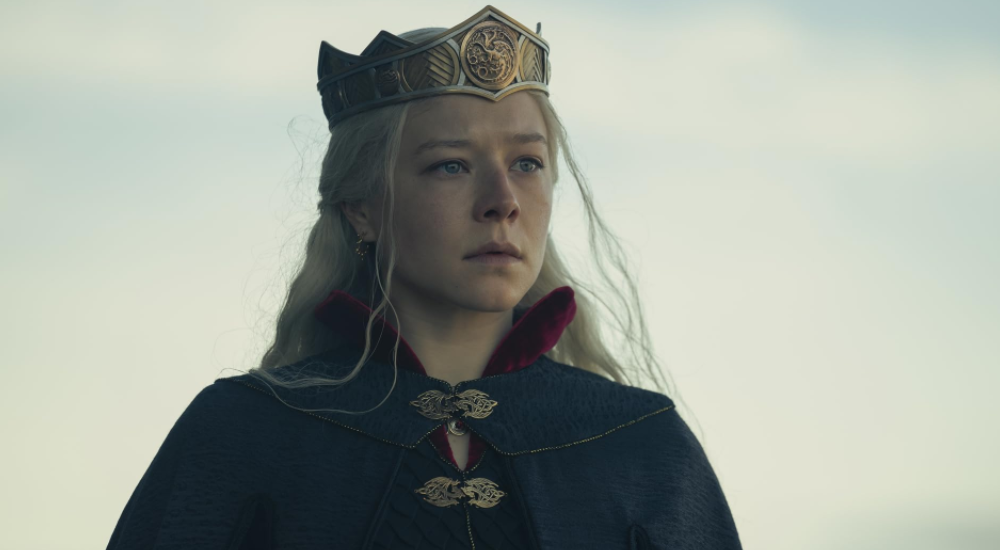

Spoiler Warning: This article contains major spoilers for House of the Dragon Season 2.
Debate Grows Over Whether House of the Dragon Fully Shows the Human Cost of the Targaryen Civil War
As the second season of HBO’s House of the Dragon unfolded the early stages of the Targaryen civil war known as the Dance of the Dragons, some viewers and critics have argued that the series still places greater emphasis on noble intrigue than on the widespread suffering of ordinary people across Westeros.
The Dance of the Dragons and Its Human Toll
George R.R. Martin’s book Fire & Blood follows the bitter conflict between rival factions of House Targaryen as they fight for control of the Iron Throne. While the show has featured dragons, betrayals, and highborn drama, questions persist about how much attention it gives to the smallfolk — the farmers, blacksmiths, merchants, and families whose lives are upended by the war.
Early Seasons Drew Criticism for Limited Smallfolk Focus
Early in the series, some observers noted that House of the Dragon appeared more insulated from the lives of commoners than its predecessor Game of Thrones. An analysis published by Paste Magazine observed that the spinoff initially turned its focus away from the regular subjects who would ultimately bear the brunt of royal decisions.
Season 2 Increases Attention to Common People
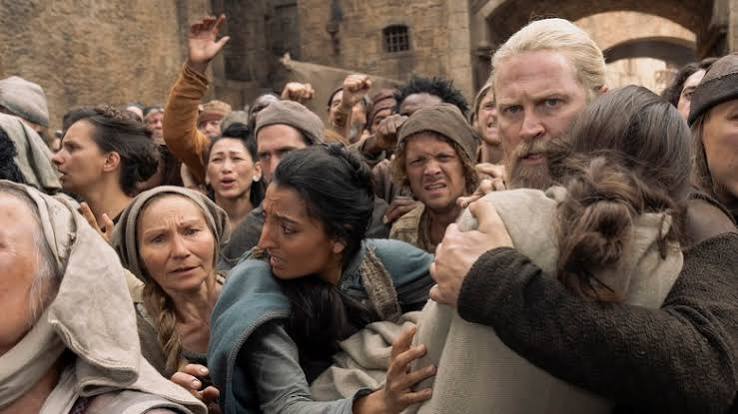
Season 2 expanded this perspective in several notable ways. A naval blockade of King’s Landing caused severe food shortages, driving up prices and leaving many residents hungry. Livestock was tithed to feed dragons, further straining smallfolk resources. In one early episode, a shepherd petitioned King Aegon II for compensation after his flock was taken, highlighting the disconnect between the crown and its subjects.
Riots and Blockades Highlight Suffering

The sixth episode, titled “Smallfolk,” brought these tensions to a head with a riot in the capital. Hungry residents clashed with guards after one man was maimed for grabbing a member of the royal family. Reviews noted the episode’s focus on how elite decisions directly harmed ordinary citizens in IGN.
Critics and recaps have pointed out that the series uses these moments to illustrate the elite’s disregard for the smallfolk. In one prominent piece, The Ringer highlighted how highborn characters treat commoners as disposable, whether through casual violence during a coronation or by sending lowborn dragonseeds into dangerous situations with little regard for their lives.
Other outlets have praised the show for giving the smallfolk more narrative weight than in previous seasons. A Collider analysis argued that House of the Dragon distinguishes itself by showing how innocents suffer most when powerful houses wage war, echoing themes long present in Martin’s work.
Viewers have also noted how the human cost of the war echoes real historical events from the medieval period. A Fast Company article noted that the show’s depiction of looting, destroyed crops, and displaced peasants mirrors the anarchy that often followed power struggles in medieval Europe.
Vulture’s recap of the “Smallfolk” episode described how the blockade and subsequent unrest forced characters like Mysaria to recognize that starving citizens could become a powerful political force, capable of shifting loyalties in King’s Landing according to Vulture.
A review from That Shelf also examined how the episode highlighted the growing anger among the smallfolk and the Greens’ failure to address their basic needs.
Ongoing Debate Among Viewers and Critics
Despite these developments, some fans maintain that the smallfolk remain secondary to the noble characters’ stories. The series has shown riots and hardship, yet the core narrative continues to revolve around Targaryen family conflicts, dragon battles, and succession claims rather than sustained exploration of how the war destroys communities.
As House of the Dragon moves toward larger battles in future seasons, the question of whether the show adequately centers the experiences of Westeros’ most vulnerable residents remains a point of active discussion among viewers.
